







Search Results for: beginner protection period
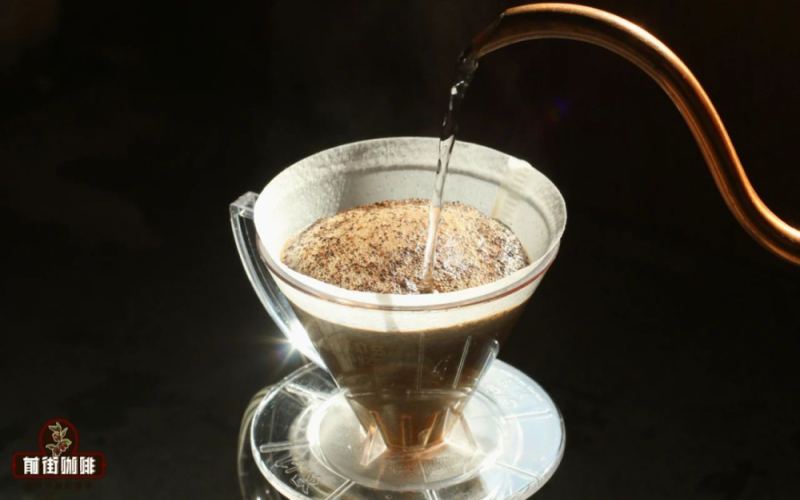
A Beginner's Guide to Coffee Bean Freshness: Key Selection Points, the Science of Resting, Peak Flavor Window, and Everyday Storage Methods
Many people believe that as long as coffee is freshly ground, it counts as fresh, but in reality, whether the coffee aroma can be fully released depends not only on the timing of grinding but also on time management after roasting. Once coffee beans have passed 50 days after roasting, their flavor is almost entirely depleted, so Front Street Coffee has always regarded freshness as the first prerequisite for good coffee. This article focuses on four core questions: how to tell whether a bag of beans is fresh, why beans need resting, how the peak flavor period differs from the shelf life, and how to store them properly in daily life. It also compiles suggested resting times for different roast levels from light to dark, special considerations for espresso beans, and the pros and cons of three storage options—sealed jars, one-way degassing valve canisters, and original packaging—to help beginners avoid common pitfalls. [more…]
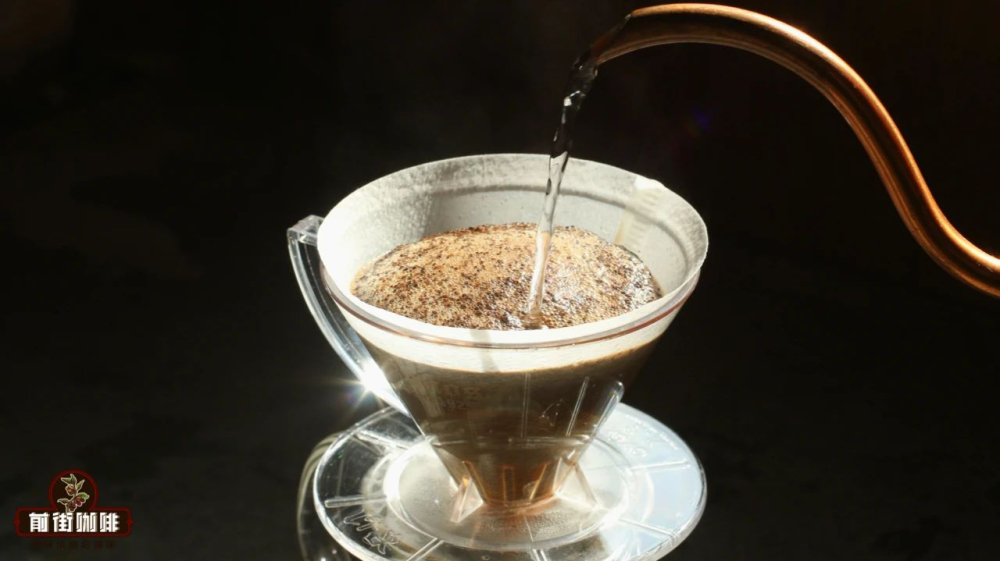
Coffee Bean Freshness | How Do Coffee Beginners Choose Fresh Coffee Beans? How Long Can Coffee Beans Be Stored After Opening? Which Is Better: A Sealed Coffee Bean Storage Canister or Storing Coffee Beans in the Refrigerator?
Many friends assume that freshly ground coffee means fresh coffee, but that's not actually the case. In reality, to truly enjoy the aroma of coffee, it's not just about grinding fresh—the roast time of the coffee beans also matters to some extent. Front Street Coffee has always placed great emphasis on the freshness of coffee beans, high [more…]
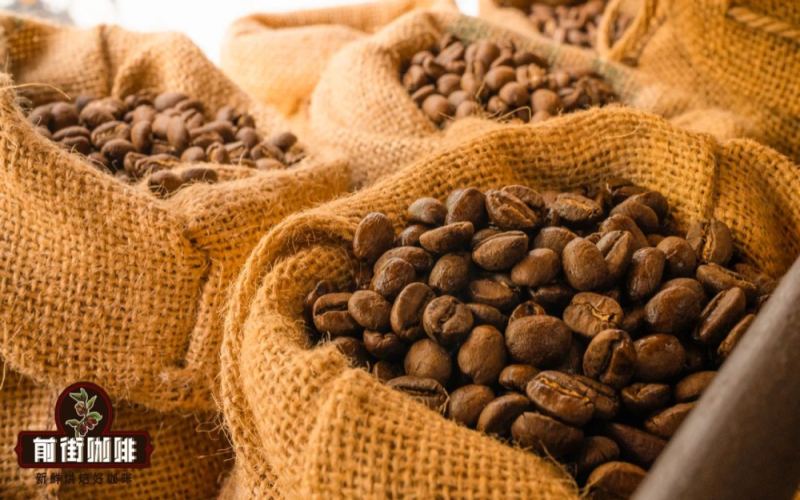
Does Coffee Bean Oiliness Mean It's Spoiled? A Complete Guide to Coffee Bean Storage Methods and Freshness Assessment
The surface of coffee beans taking on an oily sheen is a phenomenon that often confuses beginners—some worry the beans have absorbed moisture and spoiled, while others suspect they have been stored too long. In fact, oiliness is closely tied to the roast level of the coffee beans and cannot be directly equated with staleness. So what kind of oiliness is normal, and what signs indicate that coffee beans have actually absorbed moisture? From Front Street's perspective, this article breaks down the causes of coffee bean oiliness, how to judge moisture absorption, and how to properly store coffee beans through sealing, light protection, low temperatures, and other methods to keep the flavor lasting as long as possible. [more…]
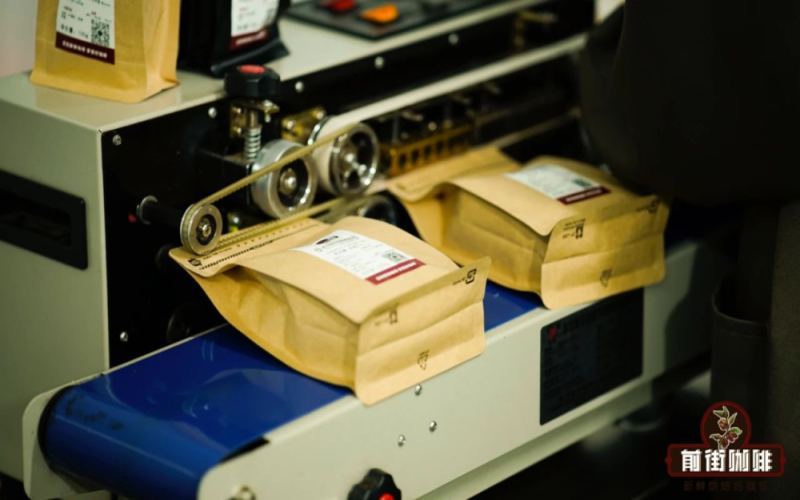
Must-Read for Coffee Beginners: Correct Storage Methods and Optimal Flavor Period for Freshly Roasted Coffee Beans and Freshly Ground Coffee
Friends who have just gotten their hands on freshly roasted coffee beans are often puzzled: the one-way valve on the coffee bag is clearly meant to release carbon dioxide, so why seal it off once the beans are ground? In fact, this comes down to the logic of preserving coffee flavor—whole beans release gas slowly, but once ground, flavor loss accelerates dramatically. Front Street Coffee has accumulated extensive experience in daily roasting and packaging. This article will systematically walk beginners through the key points of storing fresh coffee—from the function of the one-way valve, whether ground coffee needs resting, the difference between shelf life and peak flavor period, to the storage methods best suited to whole beans and ground coffee respectively—to help you enjoy a full-flavored cup within the optimal window. [more…]

Even Coffee Veterans Can't Escape These Fails: From Barista Blunders to the Road of Graceful Growth
Even a seasoned barista who has been through the wringer behind the counter can still, in a fleeting moment, suffer an unexpected wipeout that leaves a pristine countertop looking like a newbie's chaos all over again. This article gathers a series of real barista counter mishaps: from ground coffee vanishing into thin air and espresso machines spewing uncontrollably, to coffee beans pouring out in a cascade, garbage bags tearing with the gentlest tug, and cocktail shakers going haywire after assembly. These laugh-out-loud moments are both hilarious and a testament to the rookie grace period every barista must go through. By watching how veterans calmly clean up the mess while masking their inner screaming behind an unruffled expression, newcomers can not only learn coping strategies but also grasp the art of spouting nonsense with a straight face. Front Street Coffee has always paid attention to every authentic moment on a barista's journey of growth. [more…]

How to Tell If Coffee Beans Are Oily, Damaged by Moisture, or Fresh? A Complete Answer on Whether They're Still Drinkable After Moisture Damage
Is the oily sheen on coffee beans a sign of freshness or spoilage? Can beans that have absorbed moisture still be brewed? Many people new to coffee are troubled by these phenomena. This article will address two common questions about coffee beans—oiliness and moisture absorption: first, explaining the source of oils on the bean surface and how roast level affects when and how oiliness appears; then clarifying the typical signs of moisture-affected beans in appearance and brewing, and how to judge whether a bag of beans is still fresh. The article will also use specific examples such as Front Street Indonesia Golden Mandheling coffee beans to help readers understand the optimal flavor period and key storage points, so that every cup of coffee retains as much of its intended flavor as possible. [more…]

Proper Operation Guide for Electric Coffee Grinders: Practical Tips for Adjusting Dose and Grind Size, and Daily Maintenance Methods
With the growing popularity of home coffee equipment, more and more people are choosing to use a pour-over kettle paired with a small electric grinder to make freshly ground coffee at home. However, using an electric grinder is not simply a matter of plugging it in, turning it on, and dumping in beans—some improper operating habits not only affect the coffee's flavor but can also shorten the grinder's lifespan. Drawing on Front Street Coffee's practical experience, this article shares several key tips for using an electric burr grinder, including "rinsing the burrs" before grinding to avoid flavor transfer, starting the machine before adding beans to protect the burrs, and daily quick cleaning plus periodic deep cleaning as maintenance methods. Whether you are a complete beginner or someone who has been using an electric grinder for a while, these details can help you get the most out of your grinder and keep every cup of coffee tasting consistently good. [more…]
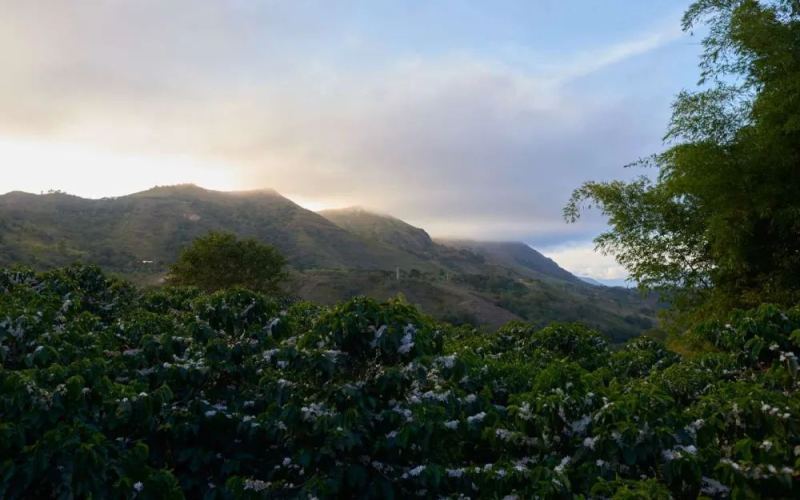
A Beginner's Guide to Washed Colombian Huila Coffee Beans: From Terroir to Caturra Variety Analysis
Colombia is the world's third-largest coffee producer, and its Arabica output ranks second globally. Among its many producing regions, Huila stands out as one of the country's most renowned specialty coffee origins thanks to its high altitude, volcanic soil, and abundant water resources. Front Street Coffee's entry-level selection of Colombian coffee beans comes from right here. This article will guide you through the development history of Colombian coffee, the unique terroir of the Huila region, and how the Caturra variety expresses rich tropical fruit aromas in Huila's high-altitude environment. [more…]
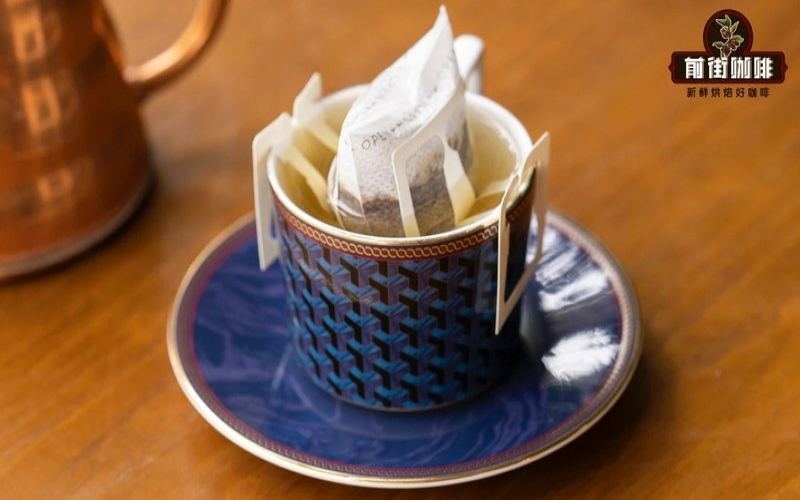
From roast date to opening date: planning the drinking clock for espresso blend beans
Espresso blend beans begin a period of change from the moment roasting is complete: in the early stage they release a large amount of carbon dioxide, in the middle stage the aroma and extraction gradually open up, and in the latter stage they slowly lose their vibrancy. When beginners choose beans, they don't need to treat "the closer to the roast date, the better" as a rule; instead, they should let the dates of arrival, opening the bag, and finishing the beans fall within a suitable flavor window. [more…]
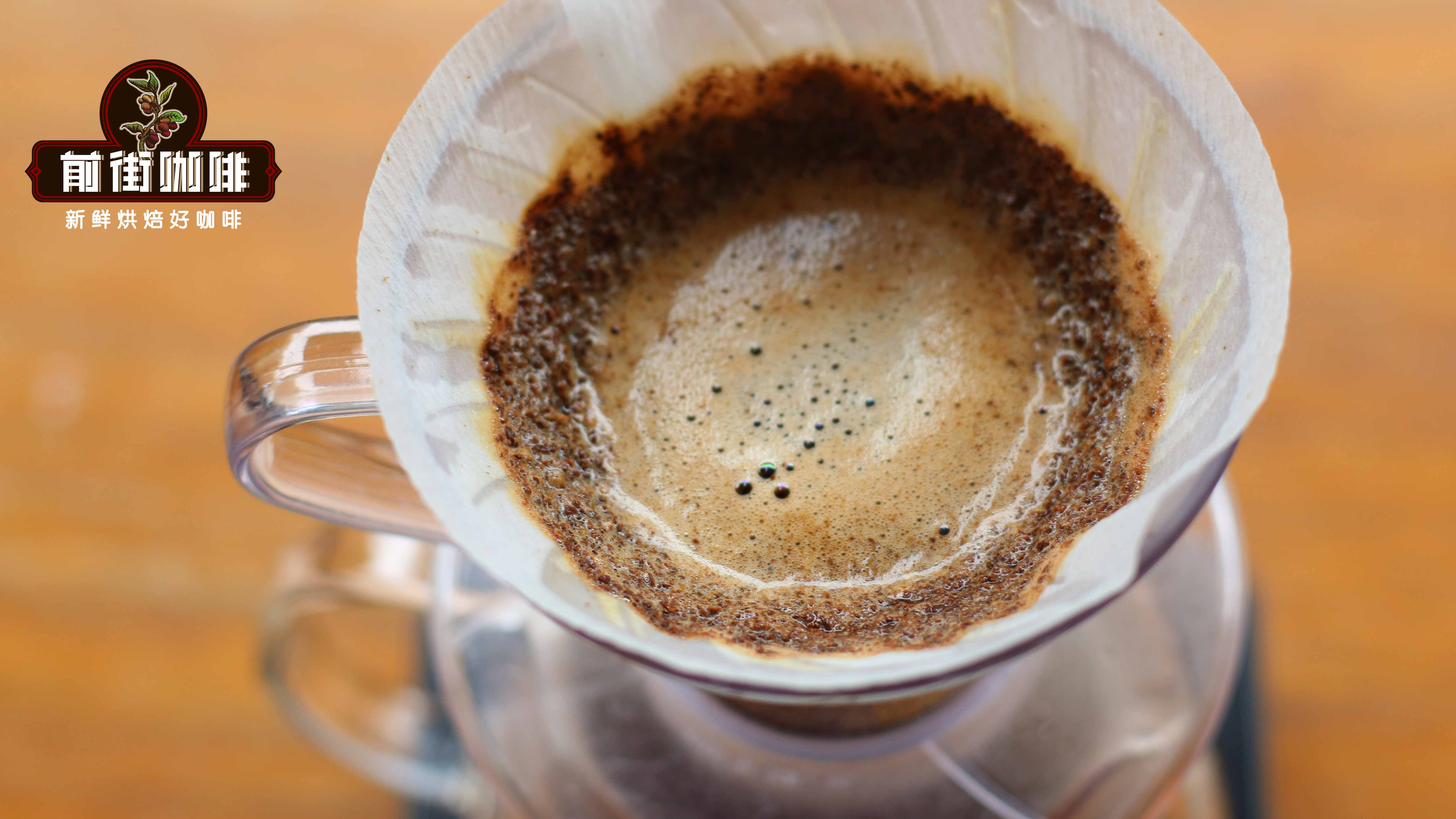
A Beginner's Guide to Pour-Over Black Coffee and Seven Everyday Bean Recommendations, Front Street Explains Classic Regional Flavors
To brew a delicious cup of pour-over black coffee at home, choosing the right beans is the first step. Based on Front Street Coffee's brewing experience, this article first explains the definition of pour-over coffee, the essential equipment, and the optimal flavor period of beans, then selects seven highly cost-effective everyday beans—Ethiopia Yirgacheffe, Guatemala Huehuetenango, Colombia Huila, Brazil Cerrado, Costa Rica Tarrazu, Indonesia Lintong Mandheling, and Yunnan Baoshan small-bean coffee—and analyzes each region's terroir conditions, processing methods, and flavor characteristics one by one, presenting a practical bean-selection guide for pour-over beginners. [more…]
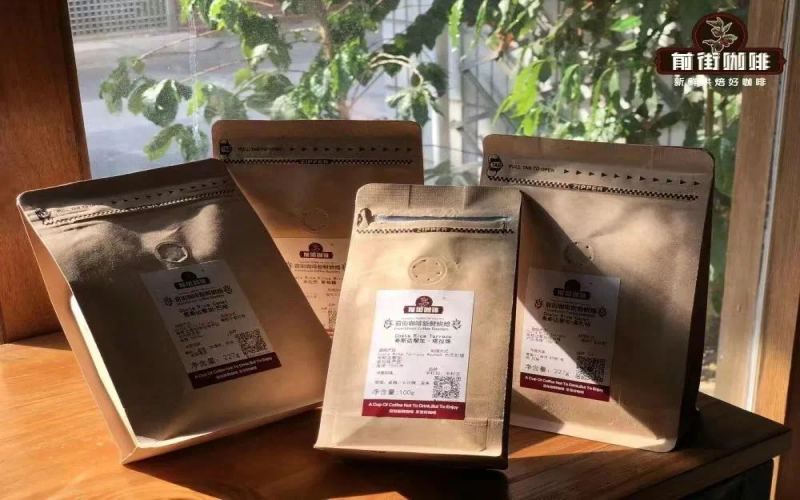
What Exactly Is the Difference Between the Peak Flavor Period and the Shelf Life of Roasted Coffee Beans? A Full Guide to Storing and Keeping Single-Origin Beans Fresh
Many people assume that coffee beans won't spoil as long as the bag is unopened, but in reality, even unopened, the flavor still degrades over time. The "shelf life" and the "peak flavor period" of roasted coffee beans are two completely different concepts. Drawing on Front Street's practical experience, this article clarifies how long coffee beans should be stored, when they taste best, why resting is important, and how to store them properly after opening. Whether you're a beginner or a seasoned coffee enthusiast, you'll find practical advice here. [more…]
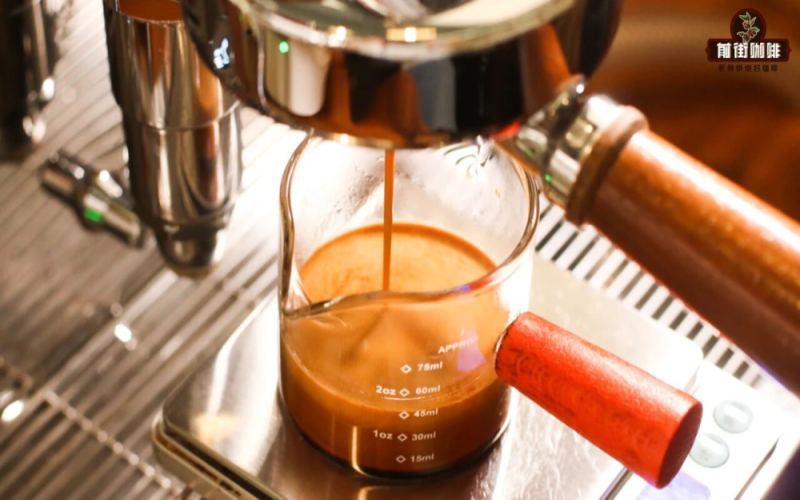
How to Choose Coffee Beans for Home Brewing? Understanding Freshness and Roast Level, Plus Everyday Espresso and Single-Origin Bean Recommendations
To consistently brew a good cup of coffee at home, choosing the right coffee beans is the first lesson you can't avoid. This article starts with freshness, explaining the difference in the optimal enjoyment period between whole beans and ground coffee—roasted beans last about a month, while ground coffee lasts only a week—and analyzes how roast level corresponds to flavor intensity. At the end, it compiles a practical list of everyday beans from Front Street Coffee, including two dark-roast espresso blends, Indonesian Mandheling, Ethiopian Huakui, and washed Yirgacheffe, covering both espresso and pour-over scenarios to help beginners quickly find the right beans based on taste and equipment. [more…]
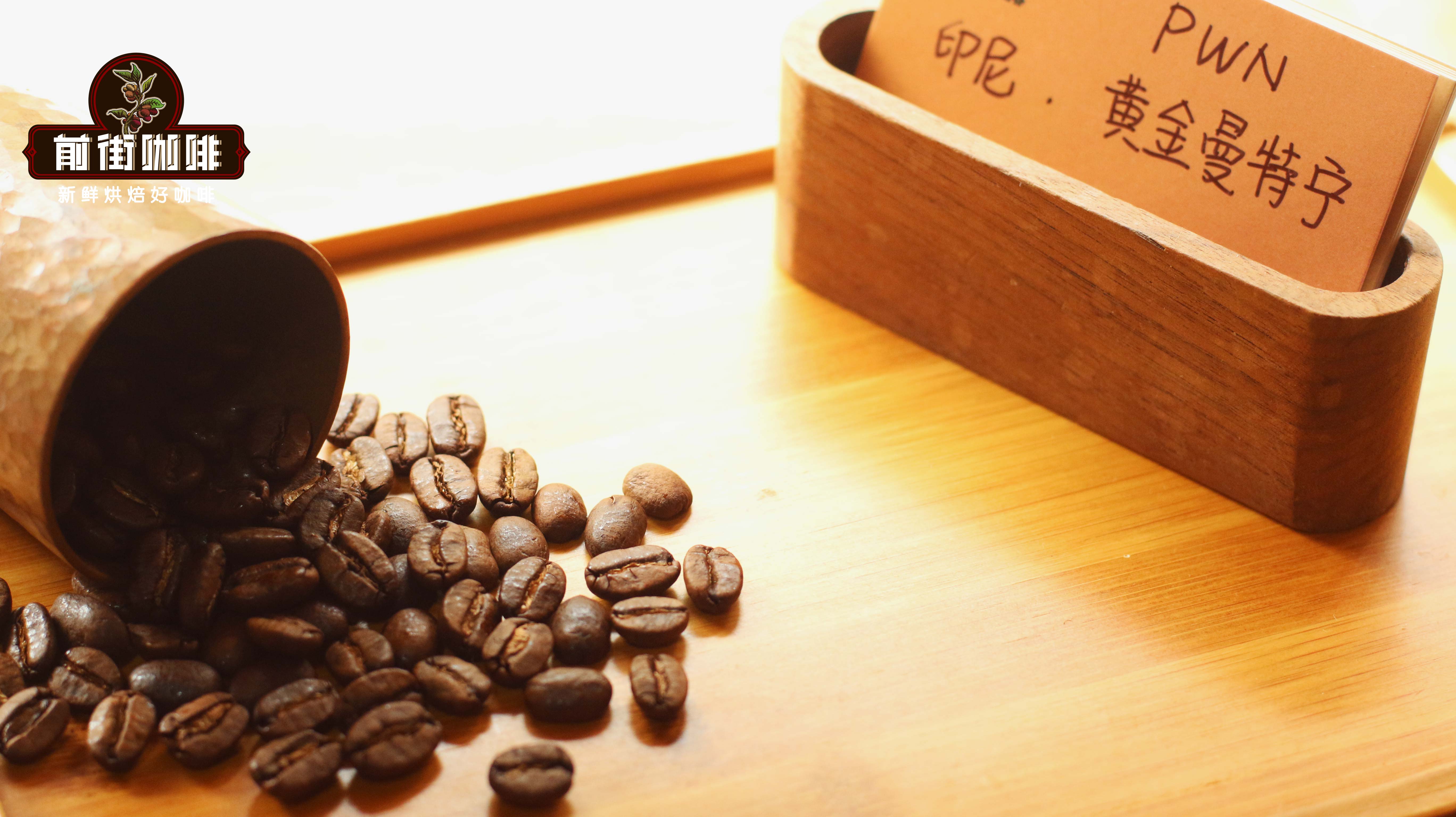
An Analysis of the Connection Between Wet-Hulled Coffee Bean Tasting Methods and Semi-Washed Drying Processes
Mandheling coffee is beloved for its rich, full-bodied mouthfeel and its unique herbal and aged-wood aromas, and behind this lies Indonesia's distinctive wet-hulling process. This article will begin with the origins of wet hulling, its processing flow, and its relationship to semi-washed drying, offering a detailed analysis of how this unique technique shapes Mandheling's low acidity, thick body, and muted aroma. At the same time, Front Street Coffee will share pour-over brewing parameters and techniques for Golden Mandheling, helping coffee lovers better appreciate this classic coffee. Whether you are a beginner just starting out or a seasoned connoisseur, you will find an option that suits you. [more…]
A Comprehensive Analysis of the Flavor Characteristics, Growing Conditions, and Regional History of Guatemalan Antigua Coffee Beans
Antigua is the most renowned of Guatemala's eight major coffee-producing regions, and its distinctive flavor stems from the micro-geographic environment created by its high-altitude volcanic terrain. This article will systematically examine the four major terroir advantages of the Antigua region—volcanic fertile soil, high-density shade trees, dramatic day-night temperature differences, and high-altitude growing conditions—and introduce the complete basic information and cupping performance of this lot of Bourbon coffee. At the same time, it will guide you through the distribution characteristics of Guatemala's major coffee regions, the background behind the founding of the Antigua Coffee Association, and Front Street Coffee's reasons for recommending this Floral God coffee bean. Whether you are a beginner just getting acquainted with single-origin beans or a seasoned enthusiast in search of delicate flavors, you will find valuable reference here. [more…]

Arabica Coffee | What are the three main categories of coffee beans? What coffee variety is Yunnan coffee? Recommended Yunnan specialty coffee suitable for beginners
For professional coffee knowledge exchange and more coffee bean sharing, please follow Front Street Coffee (FrontStreet Coffee). In plant taxonomy, coffee belongs to the Rubiaceae family, under which there are at least over a hundred coffee species, with about eighty confirmed varieties of coffee trees, among which those used for drinking coffee [more…]
A Complete Guide to Brazil's Specialty Coffee Regions: Varieties, Flavors, Grading, Processing Methods, and Brewing Guide
Brazil is the world's number one coffee producer and a region that cannot be overlooked in the specialty coffee world. This article systematically breaks down the distribution of coffee-producing regions in Brazil, its main varieties, flavor characteristics, grading standards, and processing methods, and provides a detailed introduction to the complete practical workflow from roasting and grinding to brewing. Whether you are a beginner pour-over enthusiast or a seasoned player looking for base beans for blends, you will find practical information about Brazilian coffee here. The article also specifically compiles Front Street Coffee's bean selection recommendations for Brazilian beans to help you more efficiently choose a Brazilian coffee that suits your taste. [more…]
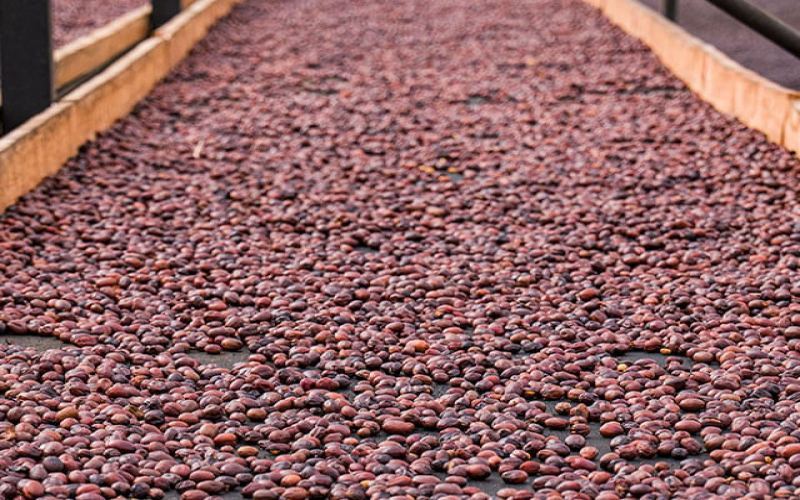
Analysis of Famous Colombian Estate Coffee Beans: Does the Supremo Grade Represent Specialty Coffee Quality?
Colombia is a globally renowned coffee-producing country, and Supremo in its grading system is often mistakenly regarded as synonymous with specialty coffee. From the perspective of Front Street Coffee, this article systematically reviews the cultivation history, producing regions, grading standards, and processing methods of Colombian coffee, provides an in-depth analysis of the true relationship between Supremo and Excelso, and introduces one by one the terroir characteristics of well-known micro-regions such as Cauca, Huila, and Nariño. Whether you are a beginner just getting into single-origin coffee or a seasoned drinker looking for everyday beans, you can gain clear regional understanding and purchasing references from it. [more…]
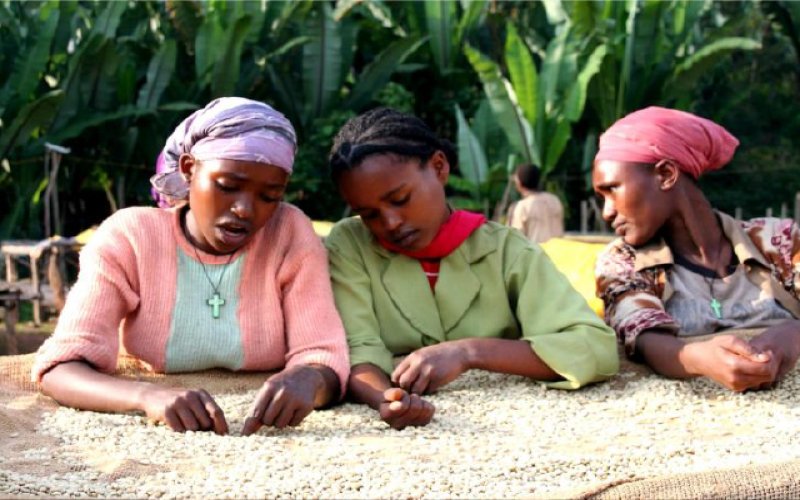
Exploring Ethiopia's Sidama Region: From the Sidama Name Correction to a Flavor Analysis of Washed G1 Coffee Beans
Sidama is one of Ethiopia's most representative specialty coffee regions, and behind its name lies a history of shifting identity from Sidama to Sidamo. This article will guide you through a comprehensive understanding of the unique appeal of Sidama coffee, from the region's proper name, to the influence of traditional natural processing on flavor, and the flavor profile of washed G1 grade. At the same time, we will also review several representative products from the Front Street brand in this region, such as Natural Huakui and Hamasho 74158, and describe their taste characteristics in detail. Whether you are a beginner just getting into single-origin coffee or a seasoned enthusiast in pursuit of regional flavors, this article will provide you with a complete knowledge framework and tasting reference for the Sidama region. [more…]
A Comprehensive Guide to Yirgacheffe Coffee: Origin, Variety Characteristics, Processing Methods, and Flavor Description
Yirgacheffe is one of Ethiopia's most iconic specialty coffee regions, renowned worldwide for its jasmine florals and citrus acidity. This article starts from the geography of the origin, its cultivation history, and variety characteristics, then systematically sorts through how the washed and natural processing methods affect flavor. Combined with the actual cupping performance of Front Street Coffee's two beans—washed Gedingding and natural Red Cherry—it will guide you to a comprehensive understanding of Yirgacheffe's appeal. Whether you're a coffee beginner just starting out or a seasoned enthusiast looking for a high-value everyday bean, you'll find practical reference information here. [more…]
What coffee variety does Yirgacheffe belong to? A comprehensive analysis of the flavor and taste characteristics of washed Yirgacheffe Americano
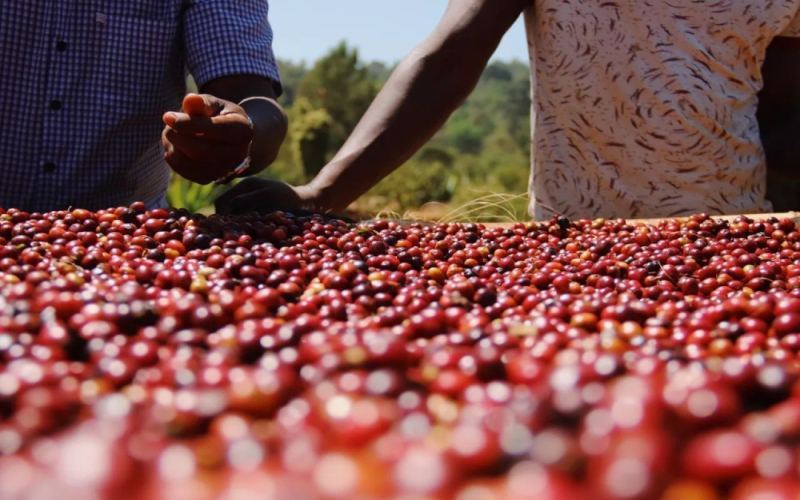
Yirgacheffe is one of Ethiopia's most iconic coffee regions, and its varieties belong to the locally grouped Heirloom landraces. This article will systematically introduce the flavor sources of Yirgacheffe coffee from the perspectives of varietal characteristics, washed processing methods, and the region's history, with a focus on sharing the cup profile of Front Street Coffee's washed Yirgacheffe, background information on the Gedeb cooperative, and complete brewing recommendations for pour-over Americano coffee, helping coffee enthusiasts gain a comprehensive understanding of this classic "gateway bean." [more…]